Understanding Your Fitness Goals
Establishing clear fitness goals is a crucial first step when selecting city fitness equipment. These goals can vary significantly from individual to individual, encompassing a wide range of objectives such as weight loss, muscle building, endurance training, or overall health improvement. By understanding what you aim to achieve, you can make more informed choices about the equipment that will best support your journey.


For those targeting weight loss, cardio-focused equipment like treadmills, stationary bikes, or elliptical machines may be ideal. These options are designed to elevate heart rates, promote calorie burning, and enhance overall cardiovascular health. Conversely, individuals interested in muscle building may prioritize resistance training equipment, such as weight machines or free weights, allowing for targeted workouts that promote strength gains and muscle hypertrophy.
Endurance training is another common goal, often requiring equipment designed for prolonged exertion. Items like rowing machines or stair climbers can serve to improve stamina and develop cardiovascular endurance. Additionally, some may simply seek to improve their overall health, which could include a balanced approach that incorporates both cardio and strength training equipment. These individuals might benefit from versatile machines that allow for a variety of exercise types.

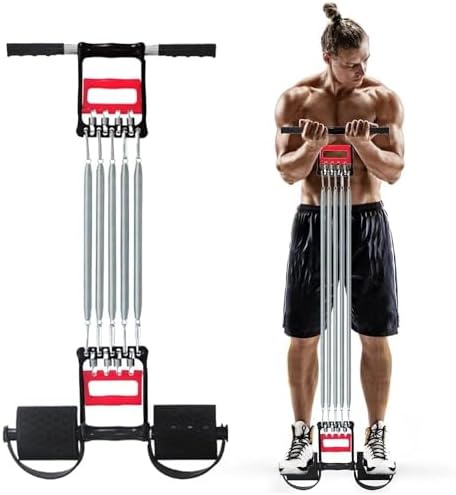

Furthermore, personal fitness levels and preferences play a significant role in shaping your equipment choices. Beginners might find that lighter weights and simpler machines are more accessible, facilitating a gradual advancement. Moreover, preferences for workout style—be it high-intensity interval training (HIIT) or steady-state cardio—can further guide the selection process. By taking the time to define your fitness goals, you enhance your capacity to select city fitness equipment that truly aligns with your fitness journey, leading to more effective and satisfying workouts.
Assessing Available Space and Environment
When selecting fitness equipment for urban living, one of the first considerations should be the available space where the equipment will be utilized. Urban environments often come with limitations, making it crucial to assess the dimensions of the workout area—whether this is a compact apartment, a community gym, or an outdoor setting. Begin by measuring the length, width, and height of the intended space to determine how much room is available, as this will directly influence the type and size of equipment you can accommodate.
Indoor spaces may present challenges such as low ceilings or limited square footage, necessitating the selection of equipment that is not only compact but also multifunctional. For example, a foldable treadmill or a resistance band set could be ideal for maintaining a fitness routine without overwhelming the available area. Conversely, if the workout area is outdoors, consider the environmental factors, including ground surface, weather conditions, and proximity to noise sources like traffic, as these can affect both your workout experience and the longevity of the equipment.
Urban settings also often require considerations regarding shared spaces. In apartments or communal fitness facilities, it’s essential to choose equipment that is quiet and doesn’t disturb neighbors, especially during early mornings or late evenings. Additionally, accessibility is key; ensure the equipment can be easily stored or moved if space is limited, allowing for a balance between workout benefits and communal living. In summary, evaluating your space and environment thoroughly will help you make informed decisions that enhance your urban fitness journey while accommodating the practicalities of city life.
Researching Equipment Options and Brands
When embarking on the journey to select the best fitness equipment for your city lifestyle, thorough research is imperative. The market is saturated with a multitude of options, each catering to different fitness needs and preferences. This makes it essential to explore various categories of fitness equipment, including cardiovascular machines, strength training gear, and multifunctional or compact devices, tailored for users with limited space.
Cardiovascular machines such as treadmills, stationary bikes, and ellipticals are designed to improve heart health and stamina. These machines vary significantly in terms of features, build quality, and price. Strength training gear typically encompasses free weights, resistance bands, and multi-station gyms, each playing a pivotal role in muscle building and toning. On the other hand, multifunctional equipment, which combines various workout possibilities, is especially beneficial for those with constrained living spaces. Understanding the specifics of these categories will enhance your decision-making process.
It is also critical to assess product quality when selecting fitness equipment. Start by reading customer reviews on various platforms, as firsthand accounts of user experiences can provide valuable insights. Look for brands with a reputation for durability and effectiveness; investing in well-established companies generally ensures access to better warranties and customer support. Price comparisons are equally important; rather than opting for the cheapest option, consider the overall value you receive, including durability, functionality, and usability.
In exploring equipment options, make a note of features that are important to your workout routine. For example, programmable settings on cardio machines or adjustable weight settings for strength training can greatly enhance workout efficiency. By conducting comprehensive research on brands and equipment, you can make an informed choice that aligns with your fitness goals and lifestyle.
Making the Purchase: Budgeting and Aftercare
When it comes to selecting the best city fitness equipment, establishing a clear budget is paramount. The financial consideration of purchasing fitness equipment can differ greatly, contingent upon whether one opts for new or used items. New fitness equipment often comes with the latest features and warranties, while used varieties may offer significant savings. However, potential buyers should evaluate the condition and longevity of second-hand devices. Engaging with reputable sellers and seeking equipment in good condition can lead to satisfactory purchases without overspending.
Moreover, financing plans can alleviate the burden of upfront costs, making high-quality fitness equipment more accessible. Many retailers offer installment payment plans or financing options, allowing individuals to pay for their equipment over time. These plans can vary, so it is essential to scrutinize interest rates and terms to ensure that they align with your budgetary constraints. Additionally, look for seasonal promotions or bulk purchase discounts, which can contribute to achieving substantial savings on fitness equipment purchases.
Aside from the initial investment, ongoing maintenance and care for city fitness equipment is crucial. Regular upkeep ensures the longevity and optimal performance of your devices, minimizing the necessity for repairs or replacements. This may include routine cleaning, lubrication of moving parts, and periodic inspections to identify any potential issues early. Keeping track of warranties and aftercare services can also maximize your investment. Many manufacturers provide warranty coverage, and understanding the terms can help manage costs related to repairs or part replacements over time.
By setting a realistic budget, exploring various purchase options, and emphasizing maintenance, individuals can secure the best city fitness equipment while making a sound financial decision.
Contact information http://www.abshot.com/contact/